
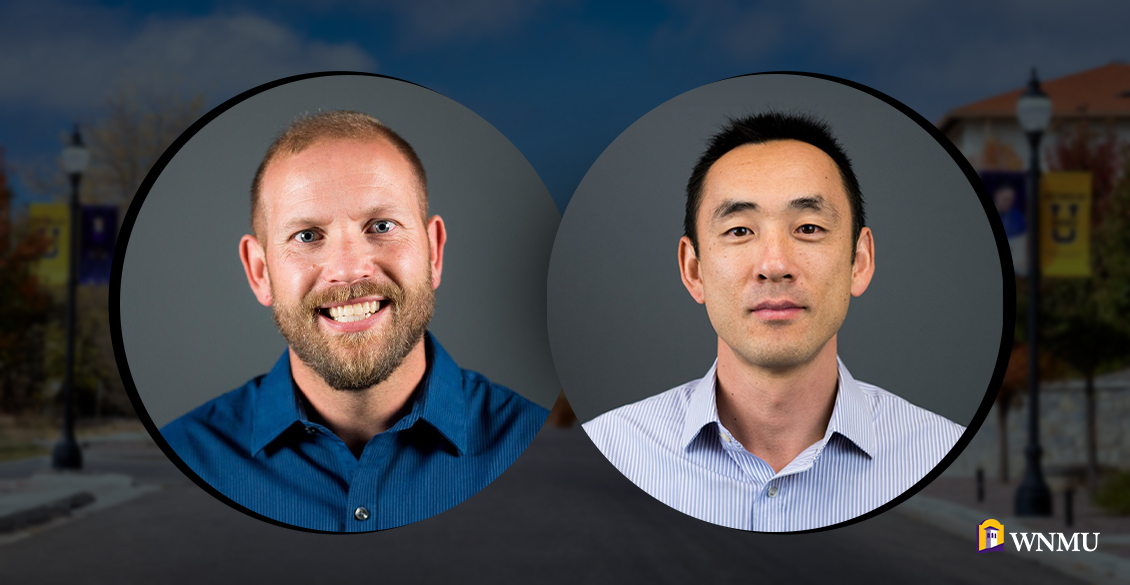
At Western New Mexico University (WNMU), the study of human movement is more than just a science—it is a community mission. Kinesiology faculty members Garrett Peltonen, Ph.D., and Takahiro Sato, Ph.D., detail how the university’s program breaks down the walls between the classroom and the real world, proving that “exercise is medicine” for all ages. The program manages several flagship community initiatives that serve as “living laboratories” for students.
Kinesiology, the science of human movement, is divided into two specialized pillars at WNMU: exercise physiology and sport psychology. Peltonen, an expert in exercise physiology and a former professional bicycle racer, focuses on the body’s physical responses to exertion. Sato specializes in the psychosocial aspects of movement, exploring how mental performance and motivation influence both elite athletes and everyday individuals.
“Our students aren’t just reading about health; they are leading it,” said Peltonen. Through a collaboration with the Western Institute of Lifelong Learning (WILL), WNMU offers the Get Fit Seniors program. The 12-week exercise course allows top kinesiology students to act as lead instructors for older adults, gaining invaluable leadership skills while translating academic theory into life-changing results for participants.
The program’s reach extends to Silver City’s youth through the “WNMU Kids’ Bicycle Program.” Meeting at Regent Square, local elementary students gather for seven weeks each semester to learn the joy of movement, guided by WNMU students who gain experience in youth physical education and motor development.
WNMU faculty is also challenging the traditional separation of mind and body. “There is not a system in the human body that physical activity does not have a positive benefit on,” Peltonen explained, noting that exercise can even increase brain mass in the hippocampus, slowing cognitive decline.
Sato echoed this holistic view, emphasizing that movement supports social and psychological well-being. “We focus on how we can encourage people to stay active, whether they are elite athletes needing mental support for competition or individuals recovering from illness who need to relearn basic motor skills like walking or holding a cup,” said Sato.
Despite its modest size, the Kinesiology program uses sophisticated equipment to prepare students for graduate-level research. Students have access to a metabolic cart to measure VO2 max—a primary indicator of cardiovascular fitness—and resting metabolic rates. This data-driven approach allows students to analyze real-world performance metrics, such as cardiometabolic status and lipid levels, particularly within the senior population they serve.
Furthermore, the faculty is dedicated to combating health misinformation. In an era of “old wives’ tales”—such as the myth that running is inherently bad for knees or that humans have a “limited number of heartbeats”—WNMU professors teach students how to navigate peer-reviewed literature to find the facts.
“We practice what we teach,” said Peltonen. “We aren’t just talking about it; we are out there running, biking, and living it. That passion is what we pass on to our students,” Sato added.
More information about the WNMU Kinesiology program or the Get Fit Seniors initiative.