
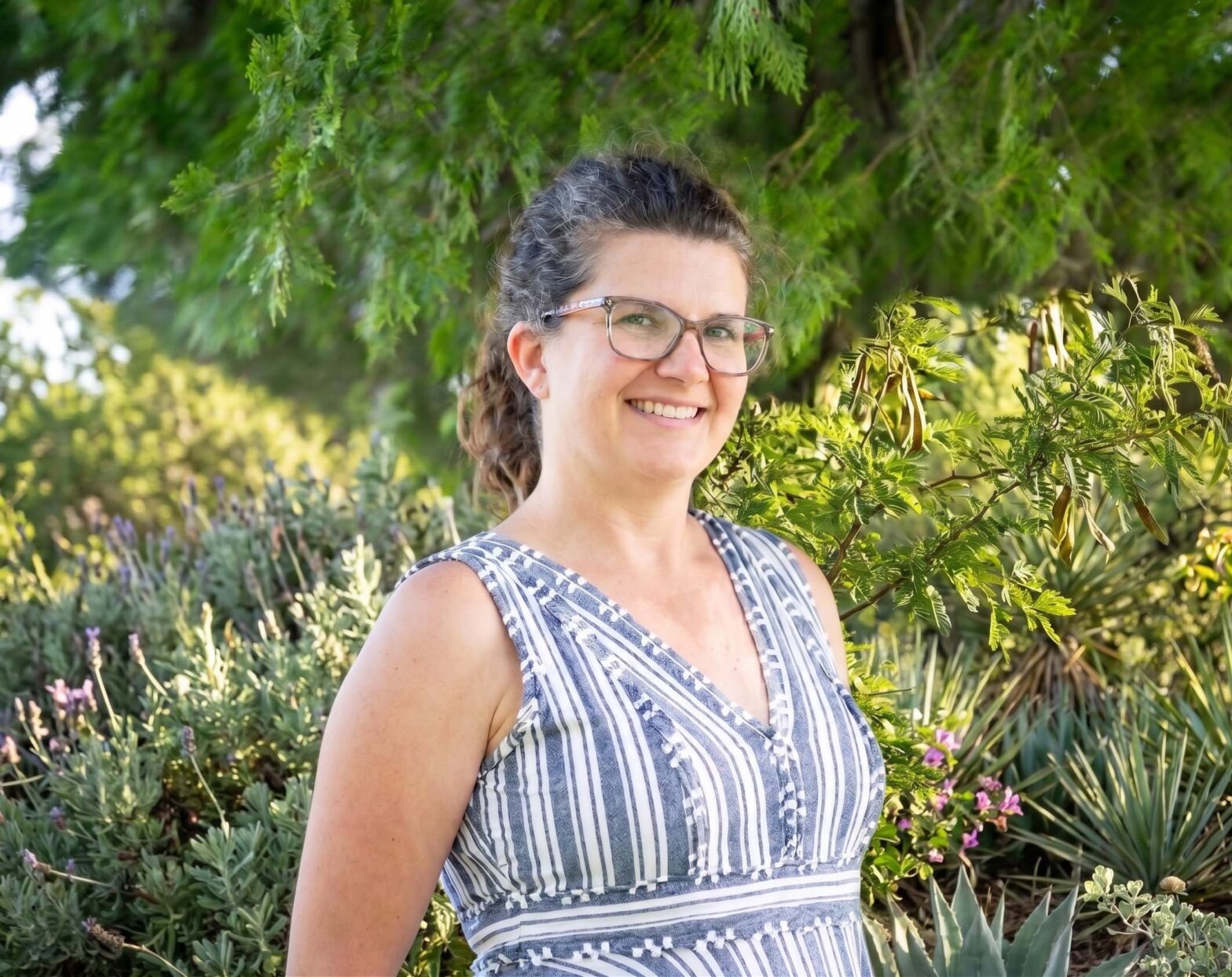
Western New Mexico University recently received official designation as the Southwest Hub for the STEM Innovation Network of New Mexico, launching a localized effort to expand science, technology, engineering, and math education across the region. Tanya Rivers, MS, professor of mathematics at WNMU, will lead the initiative as the hub’s director.
The network, spearheaded by New Mexico State University, used statewide funding to establish five regional hubs, including the Southwest Hub at WNMU. The hub serves a vast, primarily rural footprint, focusing on bridging educational gaps, cultivating workforce pathways, and fostering a community-wide STEM identity.
“This is moment of opportune strategic alignment for WNMU,” Rivers said, noting that the initiative coincides with an emerging culture under the university’s leadership. “It was a exceptional opportunity for WNMU to step up, raise our hand, and say we want to anchor this vital resource for our region.”
Rivers mobilized the effort with departmental colleagues Faustina Bah and Sarah Schott. Working halftime to maintain her classroom teaching responsibilities, Rivers leads a lean administrative team that includes local educator and STEAM Coordinator Allison Heneghan and Campus Administrator Sonia Pedia.
A core priority for the Southwest Hub is building career and workforce development pathways. WNMU recently collaborated with New Mexico Tech on a funding proposal to the Plutonium Workforce Development Institute. The initiative aims to enhance the existing pre-engineering associate degree at WNMU by establishing student internships at New Mexico Tech and preparing participants for high-earning, local positions at entities such as Los Alamos National Labs.
“We want WNMU to be seen as the primary mechanism for making these career pathways clear,” Rivers said. “Many of our rural, first-generation students come from high schools stretched so thin that advanced coursework like calculus, chemistry, or physics isn’t available. We are meeting students where they are and giving them that foundational engineering experience early so they can build the grit and perseverance required to succeed.”
The hub’s immediate strategy relies on listening sessions with regional school district leadership and local industries, including the area’s prominent mining sector. Over its first six months, the hub has built foundational protocols and repurposed a dedicated space within the WNMU math and computer science department into a high-tech education workshop. The room is being outfitted with robust hybrid technology to broadcast professional development trainings to educators who cannot make the long drive to the Silver City campus.
Rather than imposing outside curricula, the hub focuses on bolstering existing local programs. This summer, the Southwest Hub provided comprehensive support to expand STEM enrichment opportunities for area youth. The initiative included offsetting field trip transportation costs to regional sites like the Play Sharity Children’s Museum and the Catwalk Recreation Area, providing specialized materials and equipment, and connecting educators with local scientists for schoolyard activities. Additionally, the hub partnered with New Mexico State University’s STEM Outreach to fund professional development for teachers facilitating summer STEM programs.
Long-term milestones include establishing a pilot after-school science club and competition models, with a heavy emphasis on culturally responsive community engagement. Rivers envisions a system where extended family members and local retirees participate alongside educators.
“Our teachers cannot do it all, and involving families helps students see themselves in these activities,” Rivers said. “We are approaching this work from a mindset of cultural strength and resilience rather than a resource deficit. While systemic change and building trust take time, we are focused on moving the needle so that our community knows our kids can excel in these fields and fill these vital jobs right here at home.”