
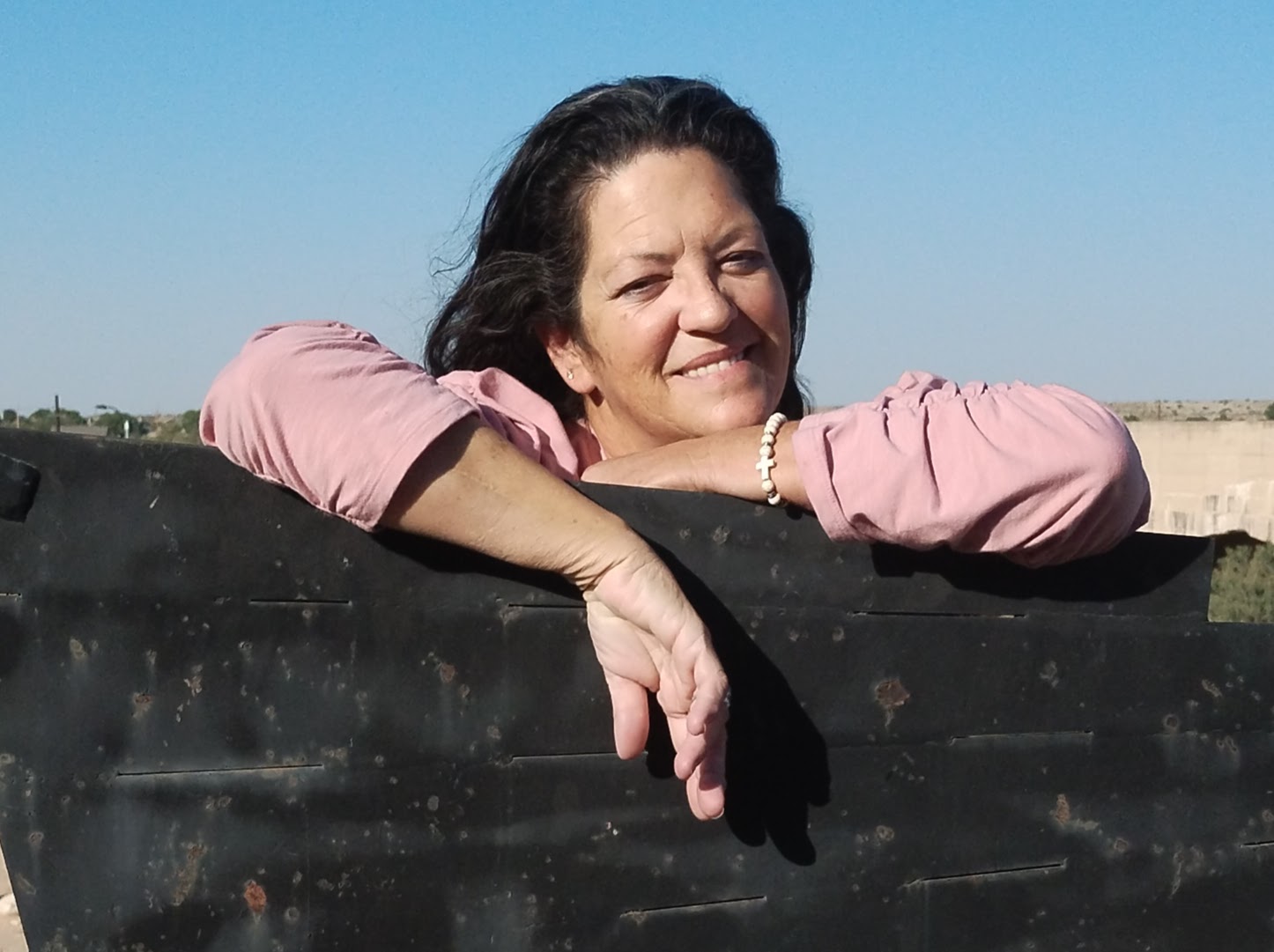
For many, a college degree is framed as a transactional checklist—a clinical accumulation of courses, credits, and requirements designed to satisfy a professional prerequisite. However, for Suzette Wilson, a Carlsbad resident and online student at Western New Mexico University (WNMU), her degree represents far more than a credential. Her pursuit of a Master of Arts in Education is a profound odyssey defined by perseverance, passion, and an unwavering sense of purpose.
As Wilson prepares to walk across the commencement stage, this milestone signifies a major personal and professional breakthrough. It marks Wilson’s successful transition from a participant in the Vocational Rehabilitation system to a Senior Career Counselor, now professionally dedicated to empowering others to navigate their own complex paths.
Wilson’s path to this degree was not straightforward. Like many non-traditional students balancing family, home, and work, she faced personal challenges that led her to vocational rehabilitation services. At times, the academic workload felt overwhelming. Wilson admits there were semesters when self-doubt crept in, and she nearly stopped studying, shifting her goal from mastery to survival.
The cycle of doubt persisted until a turning point, a pivotal connection with Associate Professor of History Ben Jenkins, Ph.D., and the WNMU support network. Their mentorship led Wilson to rethink academic support. She discovered the concept she calls the “beautification of accommodations,” which changed her outlook. A once a private struggle instead became a source of confidence and advocacy.
Wilson reframed accommodations, seeing them not as indications of what she could not do, but as tools for achievement. As a result, her focus shifted from limitations to possibilities. She saw accommodations as instruments of empowerment, equity, and access, rather than crutches. This new perspective transformed her academic experience and taught Wilson that true success lies not in solitary perfection, but in understanding and advocating for one’s needs.
This profound realization did more than just preserve Wilson’s academic career; it became the cornerstone of her professional mission. Having successfully navigated the obstacles that led her to vocational rehabilitation, Wilson now leverages her lived experience to provide person-centered support to diverse and marginalized populations. The very challenges that once threatened to derail her progress now serve as the foundation for the deep empathy and resilience Wilson brings to her clients.
Wilson’s coursework at WNMU, paired with her personal history, reinforced her conviction that barriers are frequently environmental and systemic rather than personal failings. Wilson recognized that, with appropriate support systems in place, she could achieve a level of independence and professional standing she had never previously contemplated.
Wilson views her degree as a symbol of growth and readiness. She began the program merely looking for a way to survive her circumstances, but Wilson graduates with the knowledge of how to thrive, fully prepared to guide others toward their own versions of success.