
Western New Mexico University is expanding its course offerings by introducing the Arboriculture and Urban Forestry Certificate Program, an initiative that trains students in the specialized science of managing trees, green spaces and community forests. As municipalities across the American Southwest face rising temperatures and increasing environmental stresses, this new program provides vital hands-on training to prepare the next generation of ecological stewards and urban canopy specialists.
The certificate program integrates rigorous training with practical fieldwork, giving students an in-depth understanding of tree biology, soil health, pest management and sustainable landscape design. Participants will study how to maintain healthy urban ecosystems, mitigate metropolitan heat island effects and safely work around trees.
Program coordinators emphasize that it addresses both the ecological and municipal challenges of modern forestry, equipping graduates with the skills needed for professional certification and immediate employment in the tree care industry.
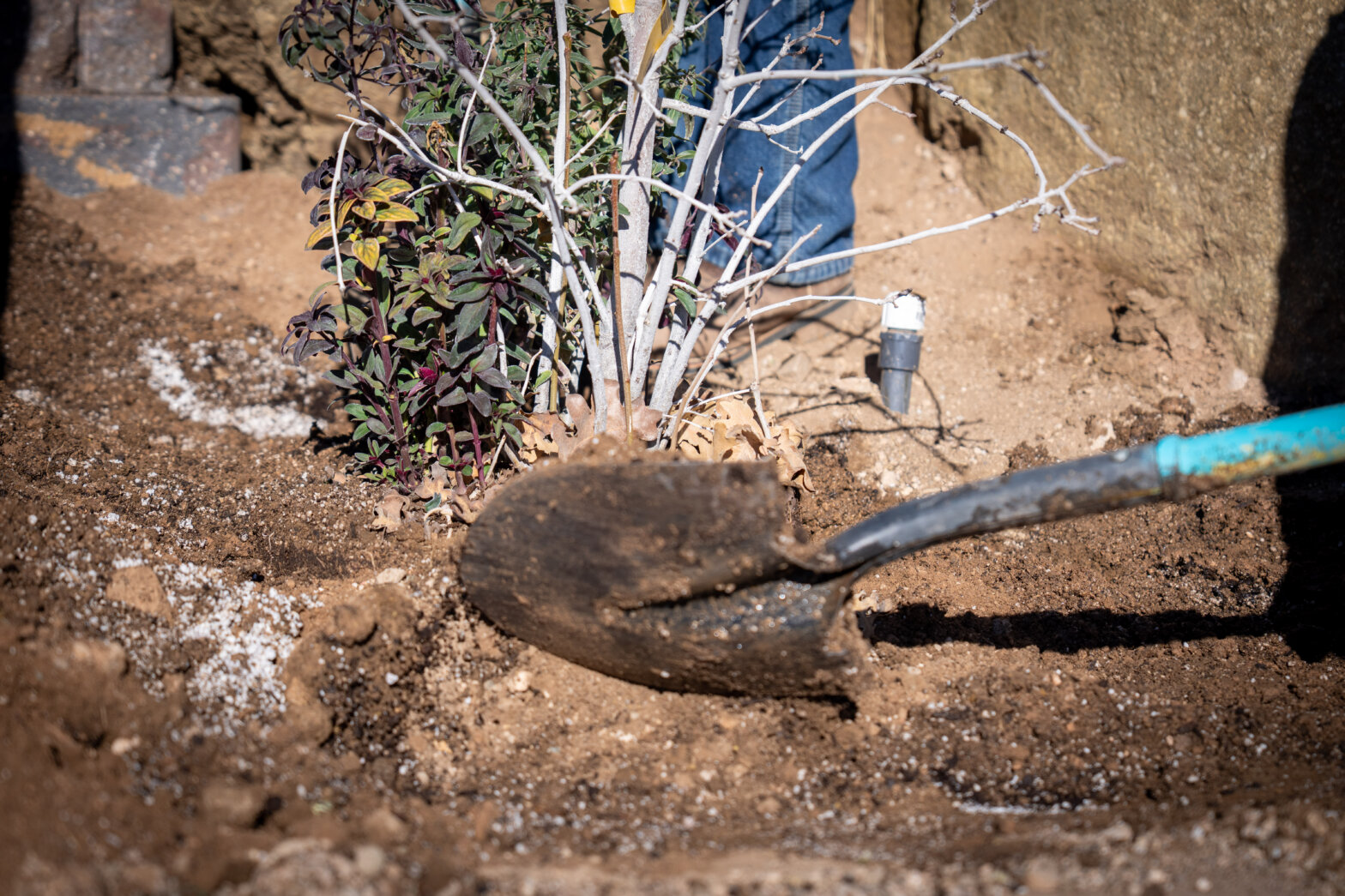
The curriculum prepares students for specialized career paths including Arborist, Urban Forester, Tree Climber, Urban Forestry Planner and Forestry Technician. Through targeted hands-on training, the practical skills students build include tree climbing, planting and pruning, the safe operation of chainsaws, comprehensive plant health care, and professional tree identification and inventorying.
WNMU Assistant Project Director, Erik Geyer, noted that the arboriculture program aligns with ongoing campus sustainability efforts, including the development of campus gardens, orchards and other environmental planning initiatives led by faculty and student advocates. By combining theoretical instruction with hands-on projects on the Silver City campus and throughout Grant County, students gain practical experience in community-based conservation.
The program collaborates with regional environmental organizations to ensure that instruction reflects today’s industry standards and local environmental requirements. “Trees are vital infrastructure in the urban environment and often require careful attention. Well rounded tree care professionals are key to preserving our existing trees and future canopy,” Geyer Said.
The certificate program welcomes a broad cohort of learners, ranging from traditional undergraduates pursuing specialized career credentials to community members and working professionals looking to move into environmental fields. Instruction covers safe pruning practices, risk assessment for aging or damaged trees, and municipal policy systems that govern public green spaces.
Enrollment for the Arboriculture and Urban Forestry Certificate Program is open through the university’s admissions office for upcoming academic semesters.
WNMU partners with the United States Forest Service, Southwest New Mexico Community Forestry Network, USDA in offering this program.